

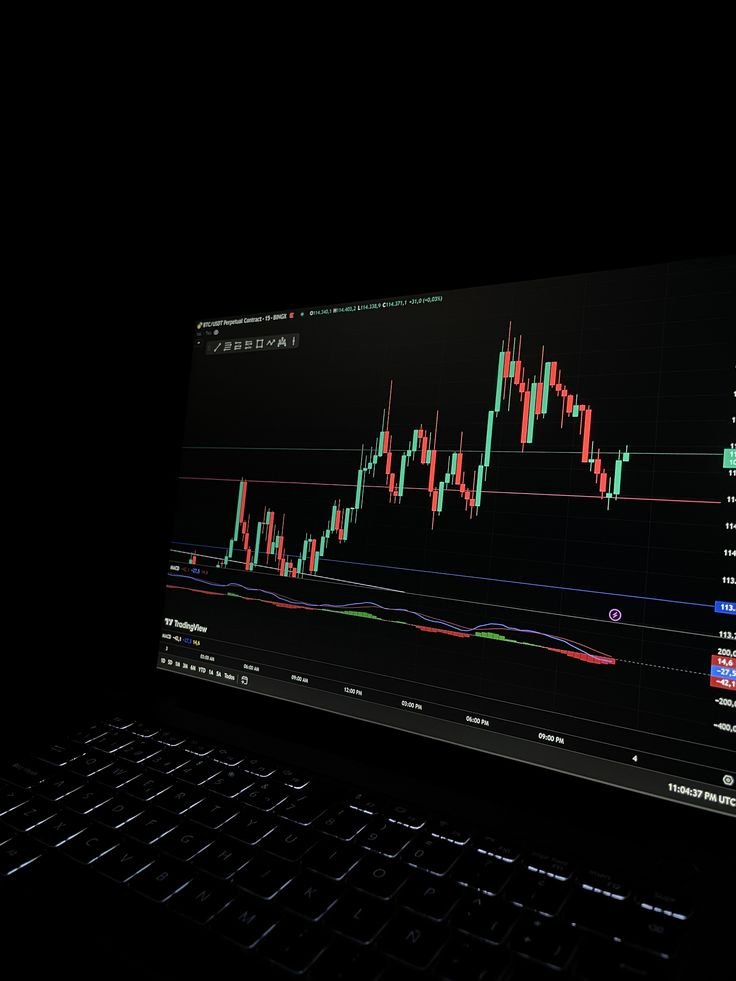
Trading: Understanding the Art of Financial Markets
Trading is the process of buying and selling financial assets such as stocks, currencies, commodities, or cryptocurrencies with the goal of making a profit. Over the years, trading has evolved from traditional stock exchanges to modern online platforms that allow individuals to participate in global financial markets from anywhere in the world.
Types of Trading
There are several types of trading, each with different strategies and timeframes:
1. Day Trading
Day traders buy and sell assets within the same day. They aim to profit from short-term market movements and often rely on technical analysis, charts, and market news.
2. Swing Trading
Swing trading involves holding positions for several days or weeks. Traders attempt to capture medium-term price swings and trends.
3. Position Trading
Position traders hold assets for months or even years. This style focuses on long-term market trends and fundamental analysis.
4. Scalping
Scalping is a fast-paced trading method where traders make multiple small trades throughout the day to gain small profits repeatedly.
Popular Trading Markets
Stock Market
The stock market allows investors to trade shares of publicly listed companies. It is one of the most popular financial markets globally.
Forex Market
The foreign exchange (Forex) market involves trading currency pairs such as EUR/USD or GBP/JPY. It is the largest and most liquid market in the world.
Cryptocurrency Market
Cryptocurrency trading has gained popularity due to digital currencies like Bitcoin and Ethereum. This market is highly volatile and operates 24/7.
Commodity Market
Commodities include gold, silver, oil, and agricultural products. Traders use commodities as investment opportunities and hedging tools.
Essential Trading Skills
Successful trading requires more than luck. Traders need a combination of knowledge, discipline, and emotional control.
Risk Management
Managing risk is one of the most important aspects of trading. Traders often use stop-loss orders and position sizing to limit losses.
Technical Analysis
Technical analysis involves studying price charts, indicators, and patterns to predict future market movements.
Fundamental Analysis
Fundamental analysis examines economic data, company performance, and global events to determine an asset’s true value.
Emotional Discipline
Fear and greed can negatively affect trading decisions. Professional traders follow clear strategies and avoid emotional reactions.
Advantages of Trading
- Opportunity to generate income
- Flexibility to trade from anywhere
- Access to global financial markets
- Potential for financial growth and independence
Risks of Trading
Despite its benefits, trading also carries significant risks:
- Market volatility
- Financial losses
- Emotional stress
- Overtrading and poor decision-making
Traders should educate themselves thoroughly before investing real money.
Conclusion
Trading is both an art and a science that combines market knowledge, strategy, and discipline. While it offers opportunities for profit and financial independence, it also involves considerable risk. Success in trading comes from continuous learning, patience, and proper risk management. Whether someone chooses stocks, Forex, commodities, or cryptocurrencies, understanding the fundamentals of trading is the first step toward becoming a successful trader.